
Sauce filling equipment
Routes by pack and closure
Compare filling, cap handling, closing, labeling, and end-of-line stages by container, closure, and finished pack across retail, foodservice, and refill projects. Complete pack samples confirm the specific actions.
Packaging equipment stages
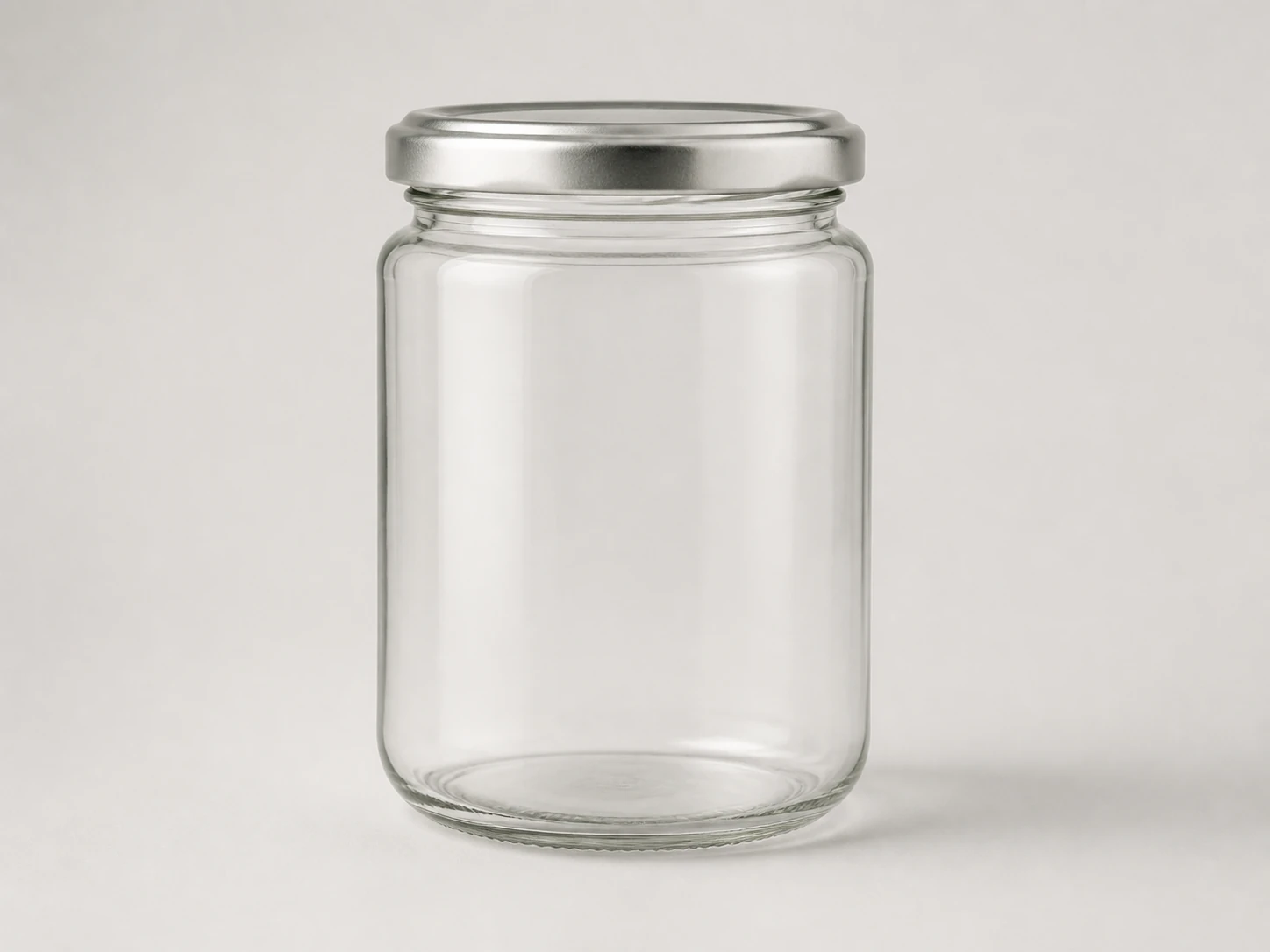
Twist-Off metal cap
Twist-Off packaging can be compared across cap sorting, placement, pre-turn, and vacuum capping stages. A matched jar-and-cap sample, plus finish, lug profile, gasket, safety button, vacuum method, and opening requirement, confirms the specific actions.
See how the equipment fits my conditions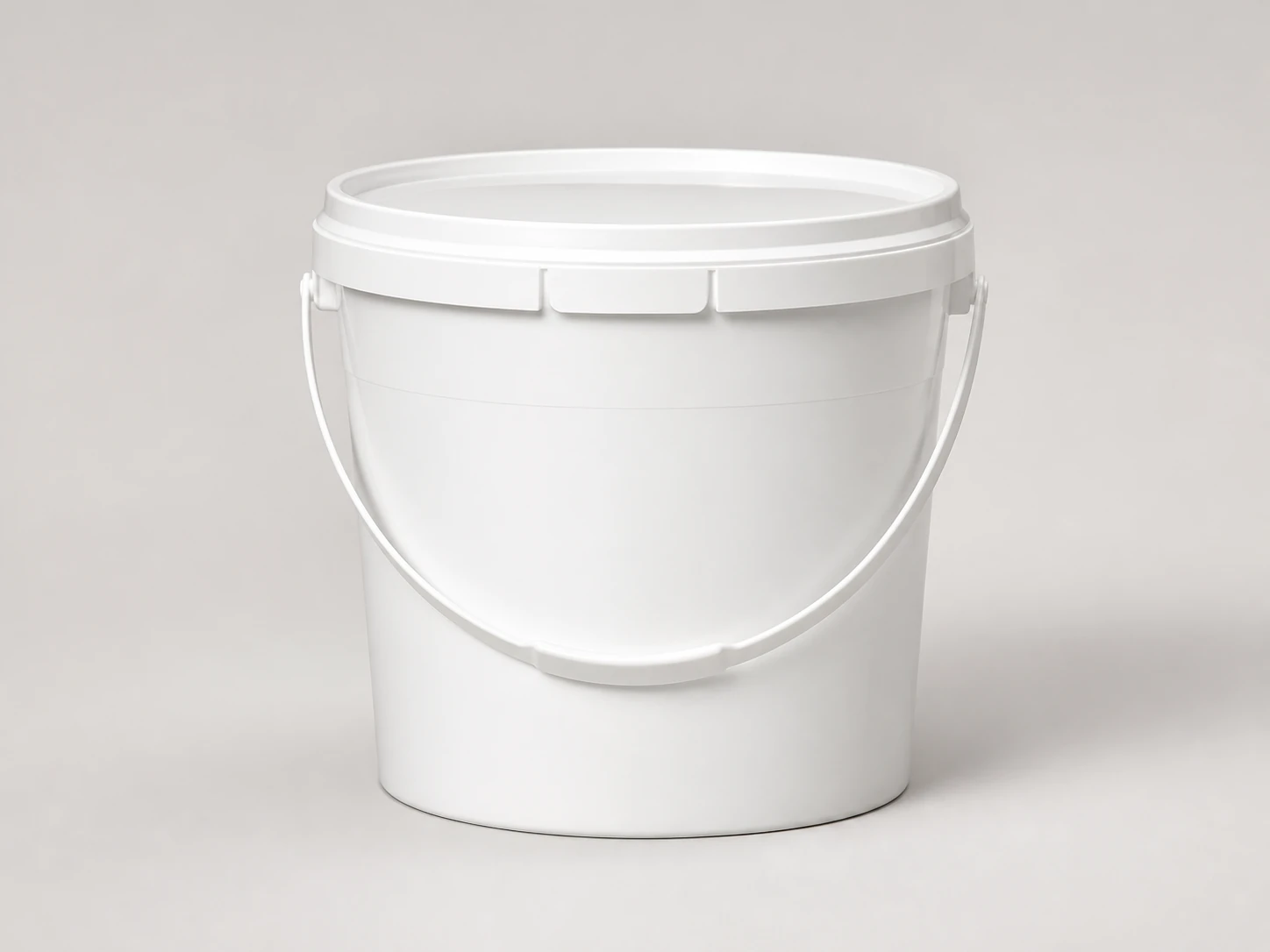
Packaging equipment stages
Food-service bucket
When foodservice and bulk packs join the product range, the purchase is more than a weighing filler. Inner and outer lids, handle direction, full-bucket conveying, and downstream handling belong to the same route.
See how the equipment fits my conditions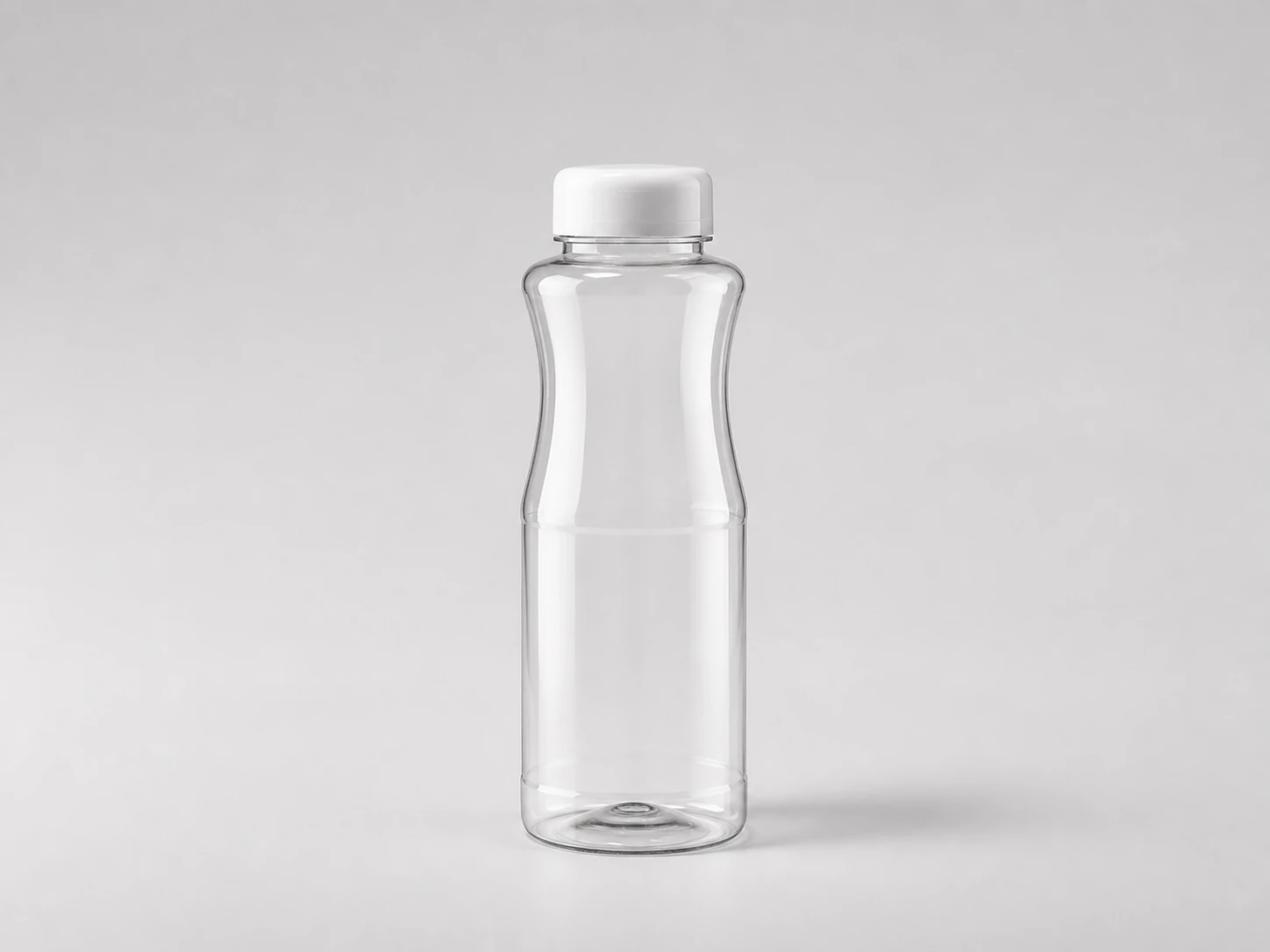
Packaging equipment stages
PET squeeze bottle
A squeeze or inverted spout bottle defines how the customer dispenses the sauce. The equipment route has to consider the outlet, flip-top direction, silicone valve, and product left at the finish together.
See how the equipment fits my conditionsPackaging equipment stages
Mini glass jar
Wide-mouth glass jars are common for retail sauces, jams, and private-label products. A jar or Twist-Off change needs filling, cap placement, and closing reviewed as one matched set.
See how the equipment fits my conditionsPackaging equipment stages
Hexagonal glass jar
Wide-mouth glass jars are common for retail sauces, jams, and private-label products. A jar or Twist-Off change needs filling, cap placement, and closing reviewed as one matched set.
See how the equipment fits my conditionsPackaging equipment stages
Euro glass jar
Wide-mouth glass jars are common for retail sauces, jams, and private-label products. A jar or Twist-Off change needs filling, cap placement, and closing reviewed as one matched set.
See how the equipment fits my conditionsPackaging equipment stages
Wide-mouth glass jar
Wide-mouth glass jars are common for retail sauces, jams, and private-label products. A jar or Twist-Off change needs filling, cap placement, and closing reviewed as one matched set.
See how the equipment fits my conditions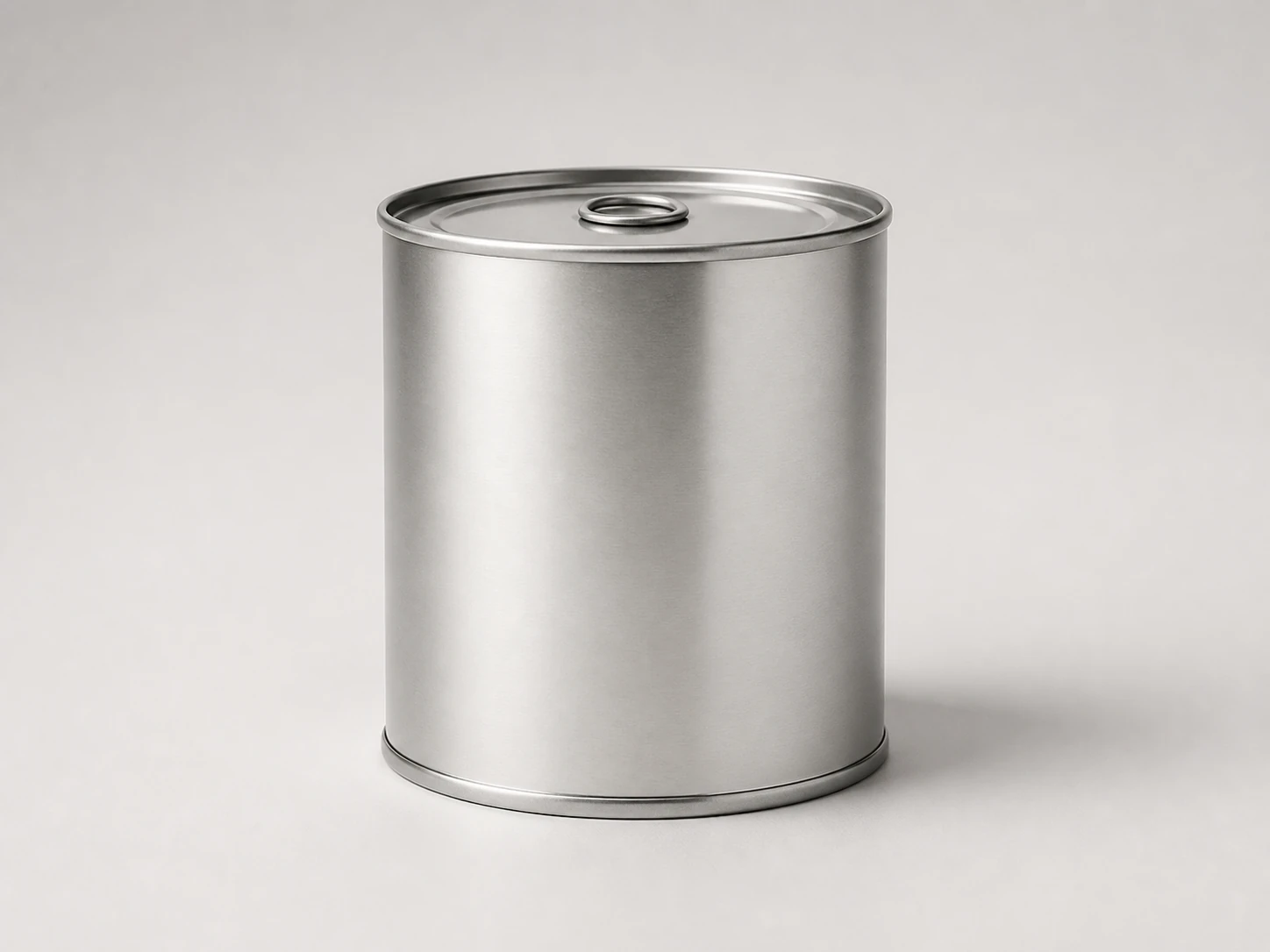
Packaging equipment stages
Tinplate can
A tinplate-can project does not end at filling. The empty can, end, headspace, and seaming requirement need reviewing together so filling and seaming connect properly.
See how the equipment fits my conditionsPackaging equipment stages
Round PET bottle
Round PET bottles suit many standard retail formats, but similar-looking bottles can still need different handling because of stiffness, base, and finish.
See how the equipment fits my conditionsPackaging equipment stages
PET spout bottle
A squeeze or inverted spout bottle defines how the customer dispenses the sauce. The equipment route has to consider the outlet, flip-top direction, silicone valve, and product left at the finish together.
See how the equipment fits my conditionsPackaging equipment stages
Flat PET bottle
Flat bottles usually carry a defined front and back for shelf presentation. If orientation, label position, and soft sidewalls are not settled first, conveying and labeling will keep changing.
See how the equipment fits my conditionsPackaging equipment stages
Plastic bucket
When foodservice and bulk packs join the product range, the purchase is more than a weighing filler. Inner and outer lids, handle direction, full-bucket conveying, and downstream handling belong to the same route.
See how the equipment fits my conditionsPackaging equipment stages
Squeeze tube
Tubes suit sauces and pastes intended to be squeezed. When adding this format, filling, tail sealing, eye mark, and batch-code position need one complete packaging review.
See how the equipment fits my conditionsPackaging equipment stages
Spouted pouch
Spouted pouches may serve family, refill, or foodservice formats. Capacity alone cannot select the equipment before the spout, weld area, and filled stability are confirmed.
See how the equipment fits my conditionsPackaging equipment stages
Three- / four-side seal sachet
Sachets suit single servings, trial packs, or foodservice portions. Film, print pitch, tear notch, and seal contamination together define the form-fill-seal route.
See how the equipment fits my conditions