02 · Filling plans

Six equipment plans for sauce filling and end-of-line packaging.

Each plan shows the filling and end-of-line stages that can be combined, the project situations it addresses, and the conditions to confirm. Use them for launches, pack extensions, equipment replacement, or line extension.

Existing machines can remain part of the project. Makes, models, conveyor height, speed control, and connection points clarify the stages that need to be added.

Published from the content desk

Published project solutions

SPfill — Technical Solution for Filling Sauce into Spouted Doy-Pack Pouches

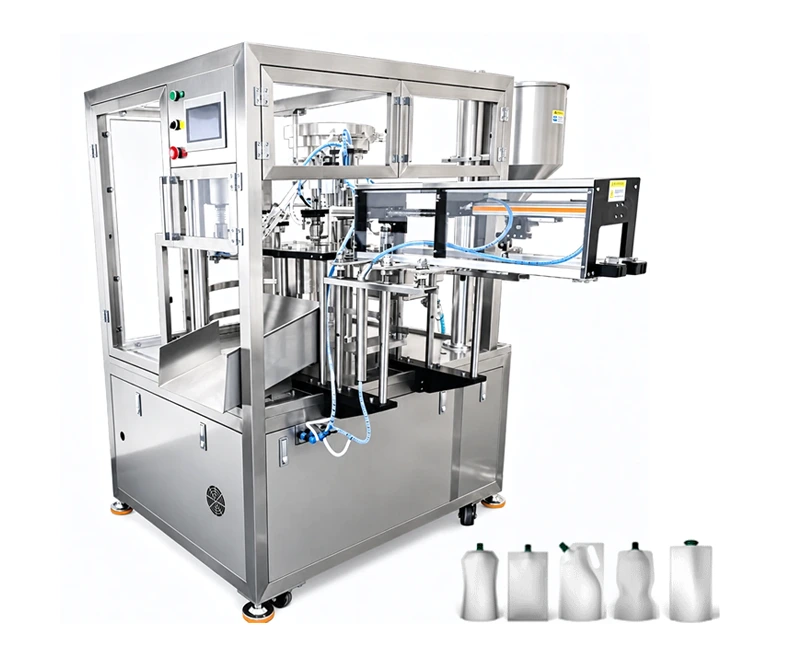
SPfill spouted-pouch filling and capping line

Define the SPfill process and interfaces from pouch feeding and positioning through dosing, cap placement, screw capping and discharge.

View solution
SPfill — Technical Solution for Premade Spout Pouch Filling and Capping

SPfill — Technical Solution for Premade Spout Pouch Filling and Capping

A process framework for food plants assessing premade spout pouch filling, cap application, capping, and discharge with SPfill.

View solution
SPfill Premade Pouch Filling and Capping Line Solution

SPfill: operating checks and acceptance for spouted pouches

Define sample acceptance for pouch positioning, no-pouch/no-fill response, capping, cleaning access and finished-pouch transfer.

View solution
SPfill — Technical Solution for a Spouted Doy-Pack Sauce Filling Line

SPfill: configuration options and installation inputs

Review filling-head options, optional modules, power, footprint and loading and service access using product and pouch samples.

View solution
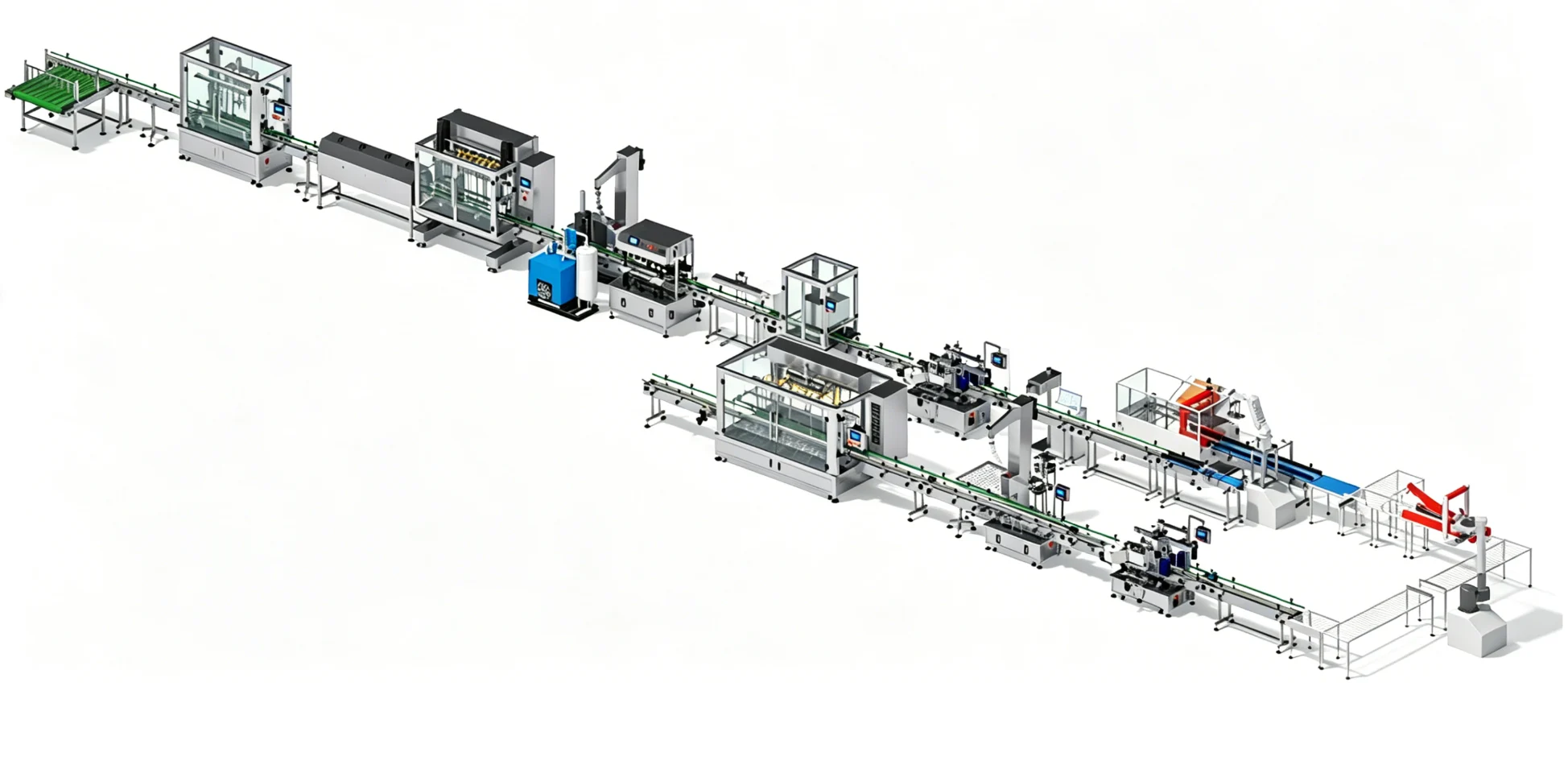
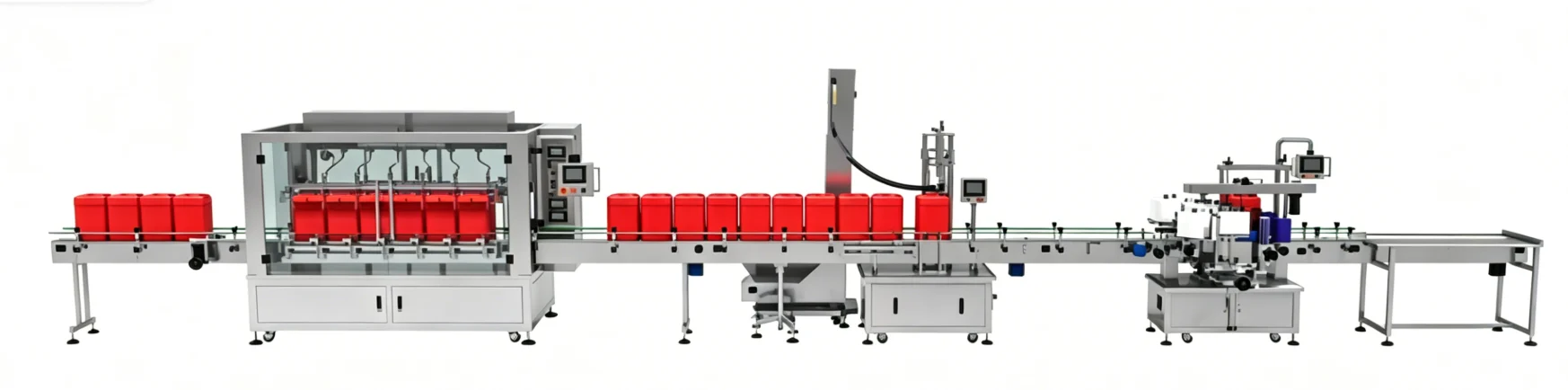
Plan 1 filling, case-packing and palletizing equipment visual

PLAN 01

Integrated filling, case packing & palletizing

This route covers equipment stages from filling through case packing and palletizing for new private-label or co-packing lines and end-of-line expansion. Product, pack, and existing interfaces determine retained and added stages.

For a new line or an end-of-line expansion, put filling, closing, labeling, case handling, and palletizing on one rate and interface map.

Send the existing machines, case size and weight, pallet pattern, pallet, and layout. The first output is a map of what stays, what is missing, and where each handoff sits.

What this phase may cover

A bottle line can run from filling through palletizing, while a bucket line is built around weighing, inner and outer lids, labeling, and full-bucket handling. Existing machines can stay and missing stages can be added.

These details affect the connection

The main package and closure, case size and weight, pallet pattern, pallet, existing machines, warehouse handoff, and a dimensioned layout confirm this phase's line stages and interfaces.

Only the actual combination, buffers, and site conditions show how the stages should connect; line rate and automation level still need confirming against those conditions.

Discuss this equipment plan
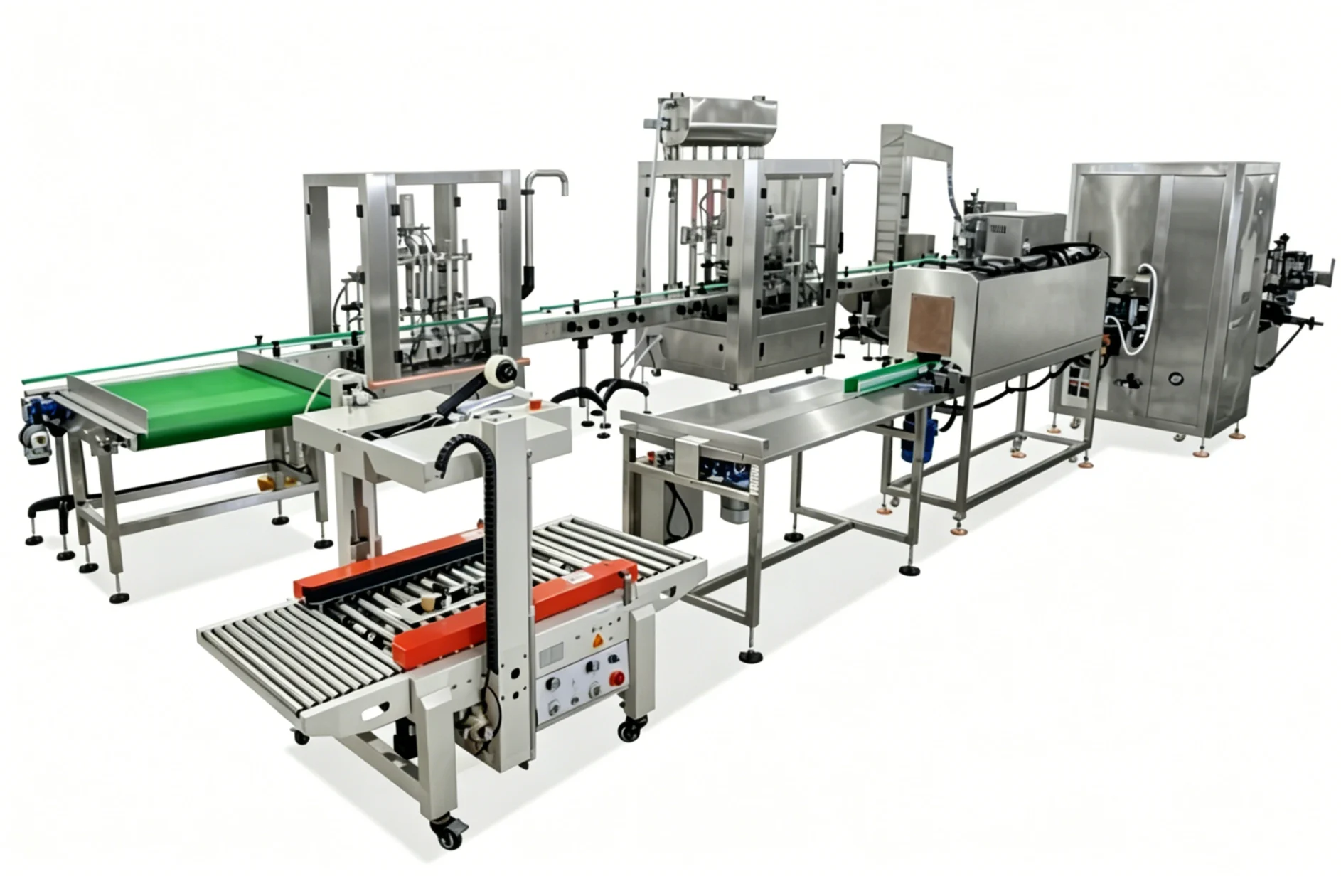
Plan 2 piston-filling equipment visual

PLAN 02

Automatic piston filling line

A practical route when an established thick-sauce recipe is moving into repeat filling across several dose sizes. The hardest product and format-change method decide whether piston filling belongs in the trial.

When a thick sauce needs volumetric dosing while stringing and product left in the cylinder also matter, a piston route is a practical starting point.

Send the real product and pack, minimum and maximum doses, and changeover method. The trial can then focus on piston stroke, valve, drip handling, and shutoff behavior.

What this phase may cover

The piston route is built around the metering cylinder, suction and discharge strokes, and changeover valve, with optional infeed, rinsing, cap handling, capping, labeling, sleeving, and case handling.

These details affect the connection

The piston route's metering cylinder, nozzle, drip handling, cleaning, and end-of-line interfaces are confirmed from real product, bottle and cap samples, minimum and maximum doses, stringing or dripping condition, and format-change method.

We put piston stroke, nozzle, drip handling, level feed, and adjustments into the trial. Dosing behavior and rate apply only to the product-and-pack combination tested.

Discuss this equipment plan
Plan 3 tracking-filling equipment visual

PLAN 03

Automatic tracking filling line

Consider this route when an established bottle format is expanding or stop-start filling disrupts surrounding stages. Continuous movement only makes sense when bottle pitch and the line-rate window fit.

If bottles should keep moving, the key is not simply a moving filler; bottle pitch, the tracking window, and surrounding line rates must work together.

Send the bottle, pitch, product temperature, dose, conveyor, and downstream machines. The first checks are the tracking window, return motion, and format change.

What this phase may cover

In a tracking route, the filling heads move with continuously advancing bottles. Rinsing and drying can sit upstream, with cap handling, capping, double-side labeling, and accumulation downstream.

These details affect the connection

Tracking movement, label positions, and downstream interfaces are confirmed from glass or plastic bottle samples, bottle pitch, dose, product temperature, and current conveyor-speed control.

A tracking route requires review of tracking travel, the synchronisation window, return motion, and rate relationships with adjacent machines. Actual rate is verified with the selected product, bottle, dose, and line conditions.

Discuss this equipment plan
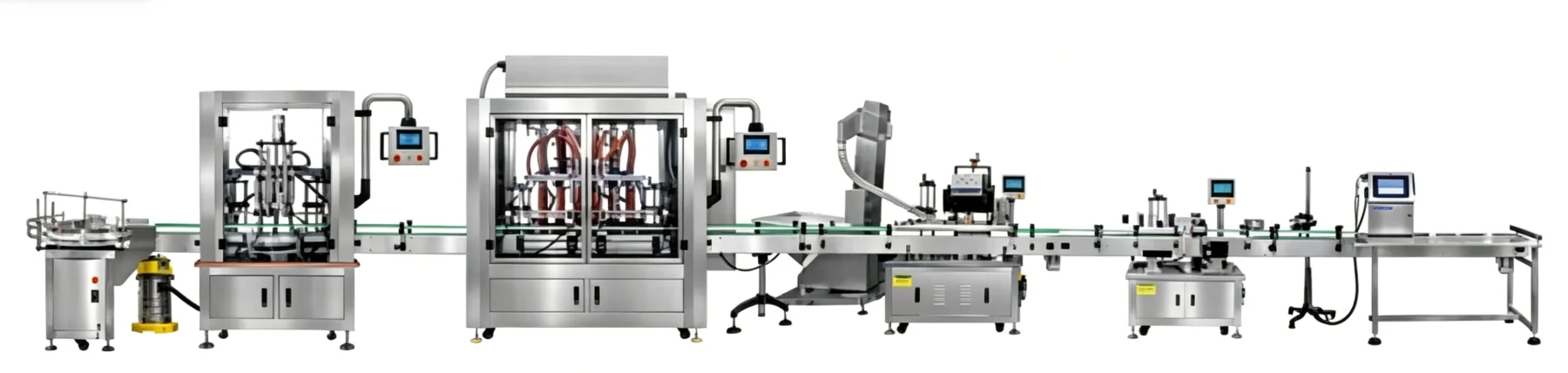
Plan 4 sauce-filling equipment visual

PLAN 04

Automatic sauce filling line

This complete-line route provides shared feeding, filling, and end-of-line stages for core and demanding SKUs across retail and foodservice packs; the product and pack determine the actual change parts.

This complete line combines feeding, filling, cap handling, capping, labeling, and coding stages into one production path for the core product and pack.

Hopper, nozzle, positioning, cleaning, and downstream interfaces are confirmed against core and challenging products, pack and cap samples, doses, changeover order, shift target, and layout.

What this phase may cover

A sauce line starts with product feed and positioned filling, then adds container infeed, rinsing, heated agitation, cap handling, capping, labeling, coding, and accumulation as the project requires.

These details affect the connection

The sauce line's feeding, filling, capping, labeling, and accumulation scope is confirmed from core and challenging products, pack and cap samples, doses, changeover order, shift target, cleaning method, existing stages, and layout.

This route connects the product and pack path through feeding, filling, and downstream stages; dose, clean finish, dripping, changeover, and cleaning are checked in trials and acceptance only for the specific combination.

Discuss this equipment plan
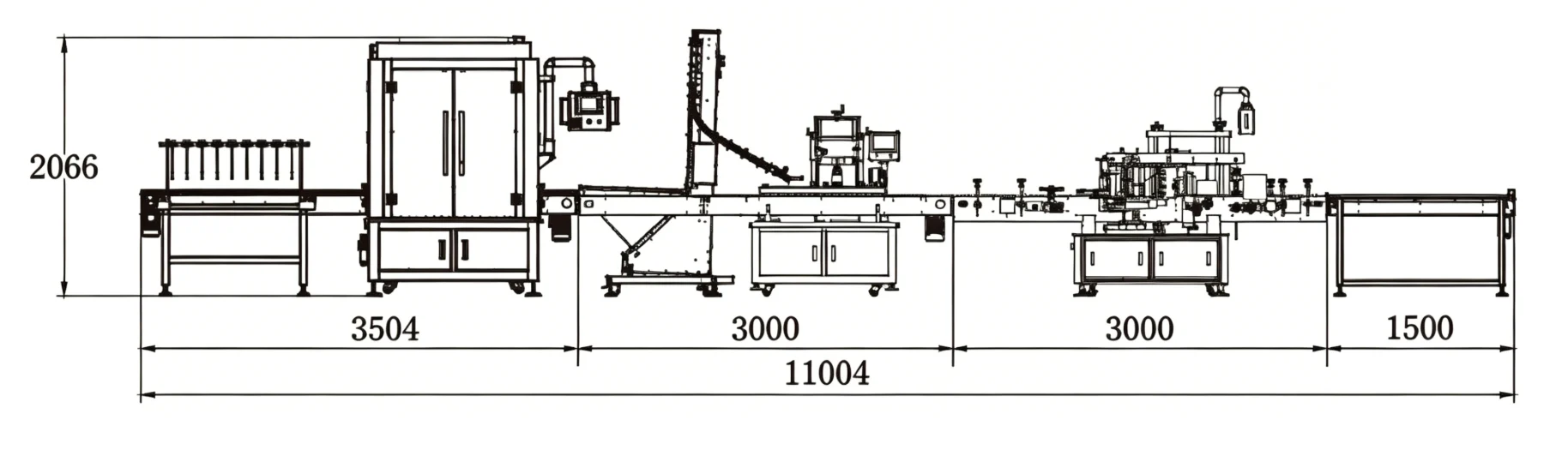
Plan 5 CAD layout drawing

PLAN 05

Automatic rotor-pump filling line

This route covers pumping, dosing, filling, and downstream stages for viscous or settling products; the actual combination follows the product path and low-level condition.

When product is highly viscous or settles, or the current feed section struggles with low level and suction, include a rotor-pump route in the trial.

Pump type, dosing, low-level behavior, and vacuum-capping interfaces are confirmed against real product, settling condition, dose range, bottle and cap samples, and drain-and-cleaning needs.

What this phase may cover

A rotor-pump route treats feed, filling, and low-level behavior for viscous product as one path, with bottle infeed, cap handling, vacuum capping, double-side labeling, and accumulation downstream.

These details affect the connection

Send viscosity and settling videos, minimum product level, drain and cleaning method, bottle and cap samples, vacuum need, label faces, and dose range.

We record suction, low-level behavior, dosing, drain and cleaning, and vacuum capping separately. The applicable range covers only the product, pack, and configuration that pass the trial.

Discuss this equipment plan
Plan 6 bucket-weighing filling equipment visual

PLAN 06

Automatic big-bucket weighing line

Use this route when adding foodservice buckets or bulk SKUs, or turning manual weighing and lid placement into a connected process. Bucket, lid, handle, and filled condition enter the route together.

Food-service and industrial buckets are not defined by target weight alone; the rim, handle, inner and outer lids, and full-bucket conveying all change the line sequence.

The weighing-fill, lid-placement, pressing or screwing, and labeling sequence is confirmed against the real bucket, inner and outer lids, handle direction, target weight, product particles, and downstream handling.

What this phase may cover

A bucket route starts with infeed and weighing fill, then follows the inner and outer lid structure through placement, pressing or screwing, labeling, full-bucket accumulation, and handling.

These details affect the connection

Send the real bucket, inner and outer lids, rim, handle direction, target weight, product particles, label position, full-bucket conveying, and palletizing conditions.

We review weighing, lid presence, circumferential pressing or screwing, lifted lid edges, and full-bucket stability separately. Results apply only to the bucket-and-product combination tested.

Discuss this equipment plan

How to compare the six plans

Start with the metering and structural core, then see how far the plan extends.

The table lists confirmed differences only. Which route fits depends on the real product form and pack; this page does not pre-decide the trade-off, which is settled in a trial with the real product and pack.

PlanMetering / structural coreCan extend toPrecondition
PLAN 01
Integrated filling, case packing & palletizing
Organised as a full line: bottles through palletizing, buckets around weighing and full-bucket handlingFilling → end-of-line → palletizing; or weighing → lids → full-bucket handlingLine scope must be fixed in one step, or it is a new build or major expansion
PLAN 02
Automatic piston filling line
Metering cylinder, suction and discharge strokes, changeover valveCan continue with infeed, rinsing, cap handling, capping, labeling, sleeving, and case handlingSmooth or lightly particulate product that needs an accurate portion per metering cycle
PLAN 03
Automatic tracking filling line
Filling heads move with continuously advancing containersRinsing and drying upstream; cap handling, capping, double-side labeling, and accumulation downstreamContinuous container flow where stopping the container for each fill is undesirable
PLAN 04
Automatic sauce filling line
Product feed and positioned filling, with pre-treatment and downstream stages added per projectAs required: infeed, rinsing, heated agitation, cap handling, capping, labeling, coding, and accumulationA sauce project still defining its line scope, where stage combination comes before individual machines
PLAN 05
Automatic rotor-pump filling line
Rotor pump and low-level operating behaviourBottle infeed, cap handling, vacuum capping, double-side labeling, and accumulationViscous product that settles or is hard to draw at low level
PLAN 06
Automatic big-bucket weighing line
Weighing fill and inner/outer lid structureLid placement, pressing or screwing, labeling, full-bucket accumulation, and handlingThe pack is a foodservice or industrial bucket with a large dose per unit

Upgrading or expanding an existing line

On an existing line, review three things before adding anything.

  1. 01

    List the existing stages first: which sections have machines, their makes, conveyor heights, and speed control.

  2. 02

    Then decide which sections to add: compare stage by stage against the 15 line stages instead of replacing by machine name.

  3. 03

    Finally confirm the interfaces: adjacent machines, the real pack, normal and peak rates, fault handling, and a dimensioned layout.

Selection input checklist

With these five items, the plan scope can be narrowed.

  • Core product and the hardest product to handle
  • Real pack and closure samples, including finish and dose
  • Normal and peak targets, and the changeover order
  • Existing machine makes, conveyor heights, and speed control
  • Workshop space limits and a dimensioned layout

Missing items do not stop you reviewing the plans: narrow to one or two routes from the table above, then complete the information.

Confirm a filling and end-of-line equipment plan for your sauce project.

Provide core and challenging products, pack and cap samples, dose, targets, current stages, and layout to confirm the equipment and interfaces covered in this phase.